






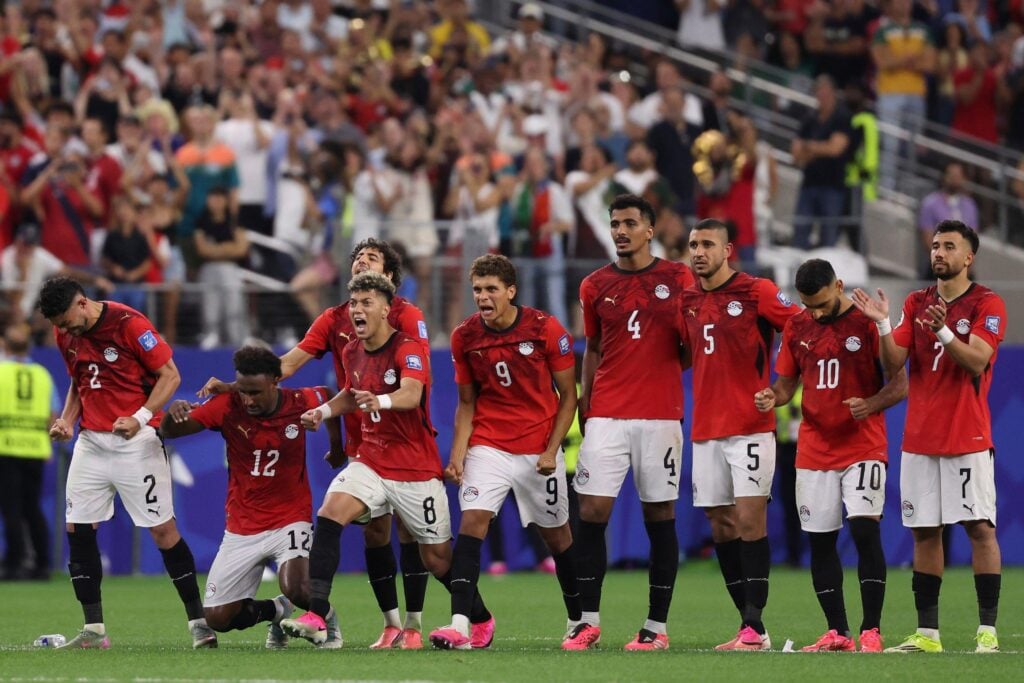
Egypt needed penalties to defeat Australia and advance to the Round of 16 of the 2026 World Cup to take on Argentina or Cape Verde.
The first half was an even affair, with the sides sharing the possession and chances quite evenly. Even their xG was separated by just 0.01 when the half time whistle was blown.
Despite this it was Egypt that held the 1-0 advantage following Emam Ashour’s header from the second phase of a dangerous Egyptian free kick. There was plenty of bluster from Australia in the remainder of the first half but a lack of real quality in the final third meant they went into the break behind.
The second period saw Australia ride out some early Egyptian pressure before continuing to push for an equaliser. Most of their danger came from set pieces and it was on their eighth (five free kicks and three corners) that the breakthrough finally came for them. Mohamed Hany, under plenty of pressure from the Australian attack, was unlucky to divert a ball into the box into his own net.
The second half didn’t really have much more action as the game slowed and the referee’s whistle signified an extra 30 minutes of play. It would be a push to describe extra time as having much action. Egypt had the better of the play, with Australia very much playing for penalties, a situation that arrived without much incident.
The penalties bought their usual drama but Egypt were able to come out on top, eventually claiming the victory by a 4-2 margin on spotkicks.
In this article, we’ll cover:
The loss of Bos
When the Australia players emerged for the second half and Jordan Bos wasn’t among them, it felt like a big loss for the Socceroos. The opening 45 minutes ended with Bos being helped off the field by Australian backroom staff after injuring his left knee.
His swashbuckling runs from right wing-back have been key for Australia in the tournament and he was probably their standout player in the group stages. There was, understandably, some trepidation about Australia’s chances of getting back into the game.
His withdrawal may have been the best thing that happened to his side, though. In the first half, everything went through the right hand side for the Australian team. Bos was almost playing as a right winger and everything was moving through the Feyenoord player.
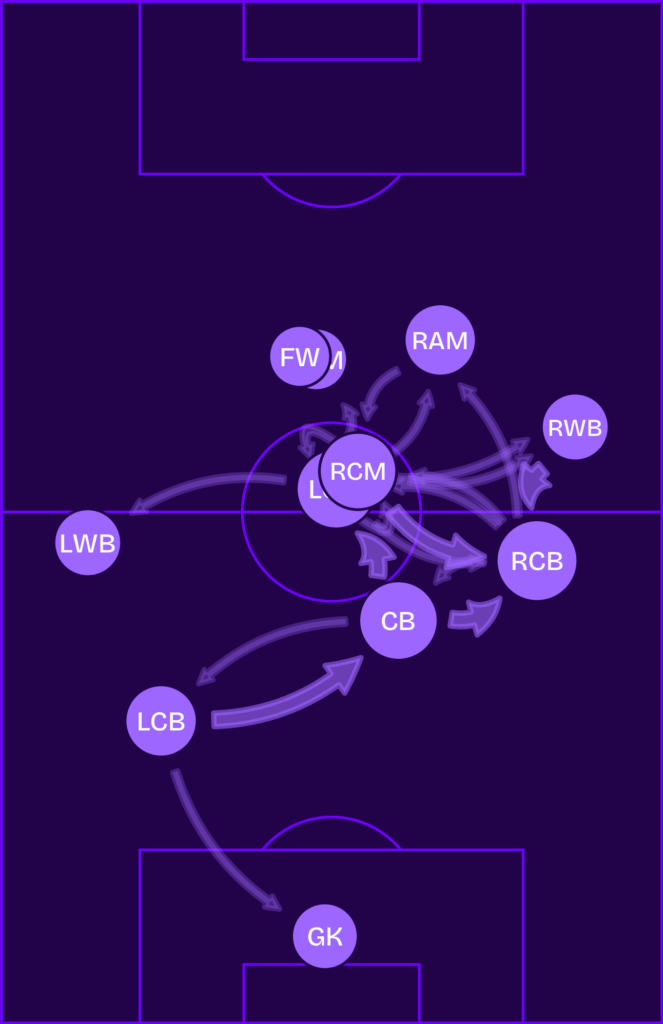
With Bos unable to continue in the second period, Australia were forced to rethink their approach and it paid off. Their attack was more balanced, perhaps even favouring the opposite flank, and it showed more success. It stunted the Egyptian attack, restricting them to just one shot in the first 35 minutes of the second period. It also kept the backline of the African nation alert, as they had less certainty in where the Australian assault was focused.
In the opening 45 minutes, 50% of Australia’s attack went down the right flank, with just 20% coming down the opposite side. As you can see on the graphic below, the distribution of their attacks was much more even.
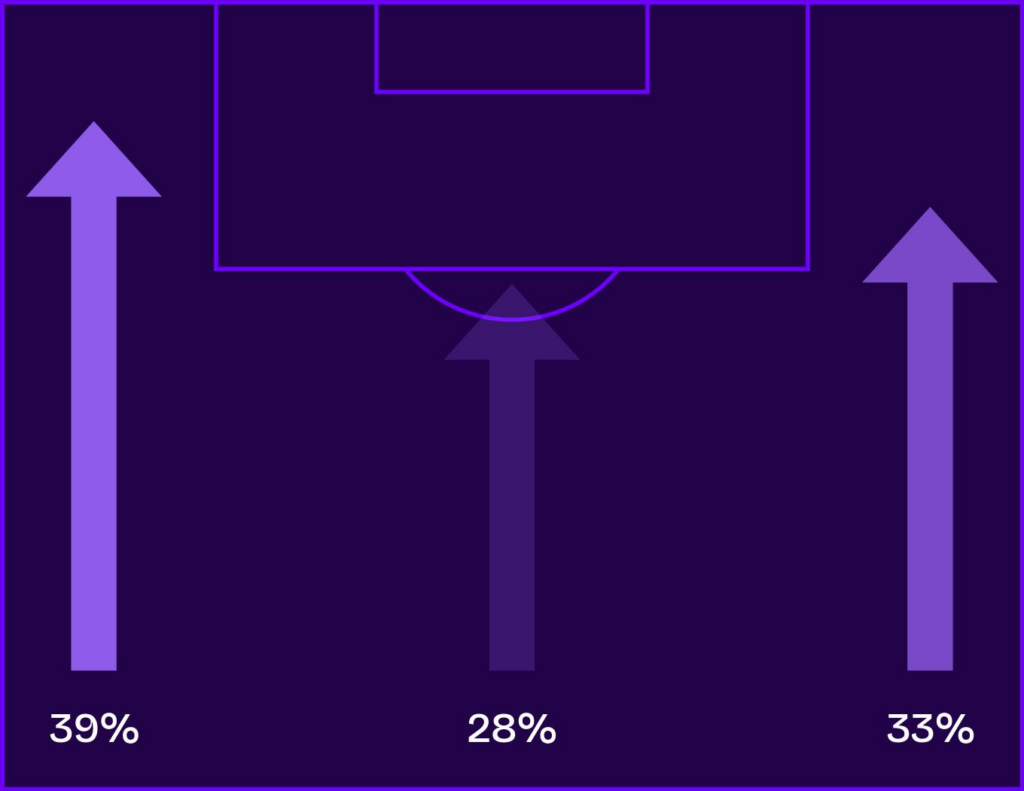
There’s no doubt that Australian fans would’ve preferred Bos to have remained on the pitch, such is his quality, but that half-time substitution may have saved the game for them.
SBK betting offer: Bet £10, get £40 in free bets
Eligible readers* interested in this SBK betting offer can follow THIS LINK or click the image below.

New UK customers only. Min £10 first deposit using Debit Card or Bank Transfer. Place a bet of £10 at min odds of 2.0 and get a £10 Football Bet Builder token upon settlement. A £10 Multiple token, a £5 Horse Racing Multiple token and a £5 Football Bet Builder token will be credited after 24 hours. A further £10 Free Bet token will be credited 48 hours after the qualifying bet has been settled. Full T&Cs apply, 18+. GambleAware.org.
Harry Souttar’s defensive masterclass
Much is made, understandably, about Souttar’s height and aerial ability. He stands at 6ft6in and his towering frame makes him an asset from set pieces at both ends of the pitch.
This game was (his missed penalty apart) the perfect showcase of his ability, both in the air and on the ground. He was deployed in the middle of a back three, although this often became a flat back four in the second half. His role was simple; marshal the Australian defence and neutralise the threat of Mo Salah. He did both admirably.
Salah was restricted to two efforts for a combined xG of 0.14 and just one successful dribble in the entire match. The forward, who has yet to name his new club after leaving Liverpool this summer, cut a frustrated, tired figure for much of the game and it was, in no small part, down to Souttar.
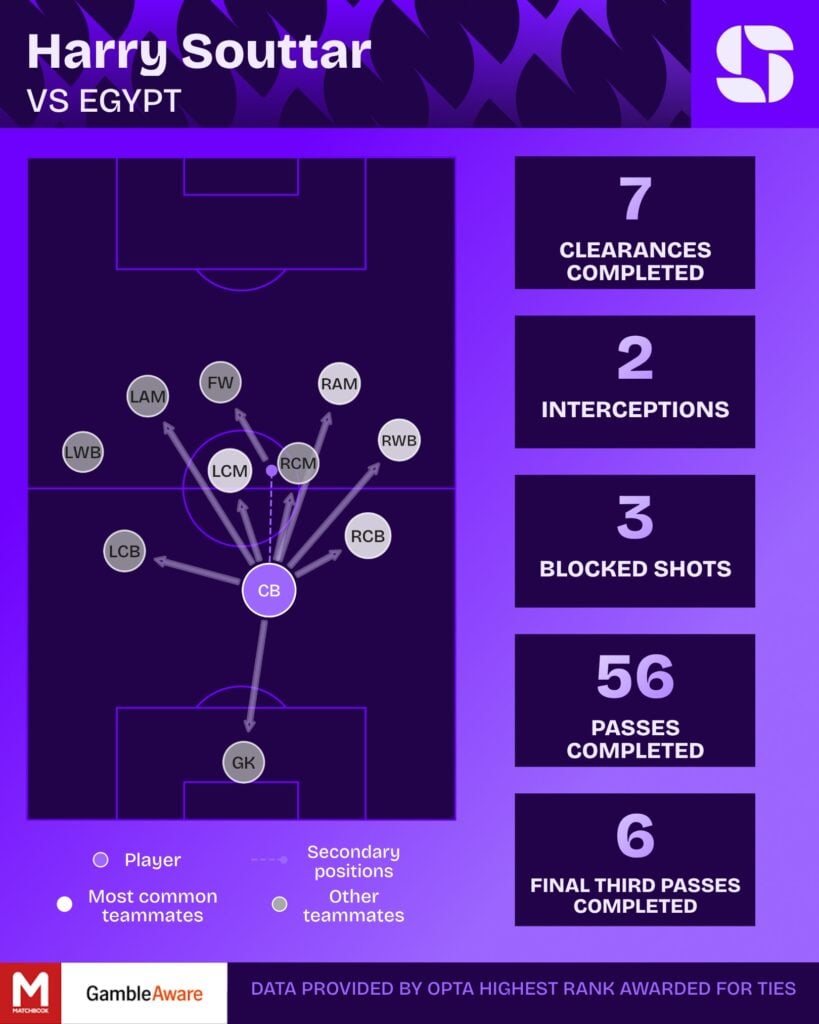
The Australian defender proved his worth in a variety of ways across the pitch. He made more clearances, won more duels and made more interceptions than any of his teammates. But it wasn’t just in his own half where he excelled.
The Leicester City defender also made the most accurate passes of any Australian, made six successful passes into the final third and it was his pressure that forced Hany into scoring his own goal.
It was a marvellous performance from Souttar and one that wasn’t benefitting of the way Australia exited the tournament.
Read more: