





The tactical trends in the Premier League this season are heavily weighted towards more direct styles of football, with the return of long throws being just one example.
As many know, in football, tactical trends come and go, with the 2025-26 season resembling a return to the 2000s era.
Usage of two strikers, goal kicks going long, direct balls forward as quickly as possible and physicality importance making a clear return.
So why are we seeing these trends?
- Increased physicality in the Premier League with “smaller” teams looking to maximise their chances by targeting duels
- Teams looking to play over the press as more sides are deploying man to man pressing schemes with high intensity
- Aiming to attack teams before they can settle into their solid mid or low block
In this article, we’ll cover

- Enhanced Offers
- Extensive Bet-Builder
- Very Competitive Odds
#AD 18+ New customers: Deposit £10+ within 7 days and place a sports bet. Get 4 x £10 Free Bets (2 x £10 Bet Builders & 2 x £10 Sports Bet). Valid 7 days. Min odds apply. Excludes virtual sports, esports and non-UK/IE horse racing. 18+. T&Cs apply.
The numbers behind long balls
During the 2024-25 season, the 20 Premier League teams averaged 1,274.1 long balls attempted per 90 between them, with 656 long balls completed per 90.
But in the 2025-26 season, those numbers have already risen to 1,395.4 long balls attempted on average per 90, with 689.5 long balls completed per 90.
This increase also applies to goal kicks, with 142.39 goal kicks being attempted per 90 in the 2024-25 season and 156.76 being attempted per 90 in the 2025-26 season.
In 2024-25 the average length of goal kicks amongst the 20 Premier League teams combined was 701.7 yards, whilst so far in the 2025-26 season, the average length combined is 790.9 yards.
So now that we know the numbers show an increase in long balls in the Premier League this season, we can go deeper into which teams are making use of this strategy.
Thomas Frank’s Tottenham impact
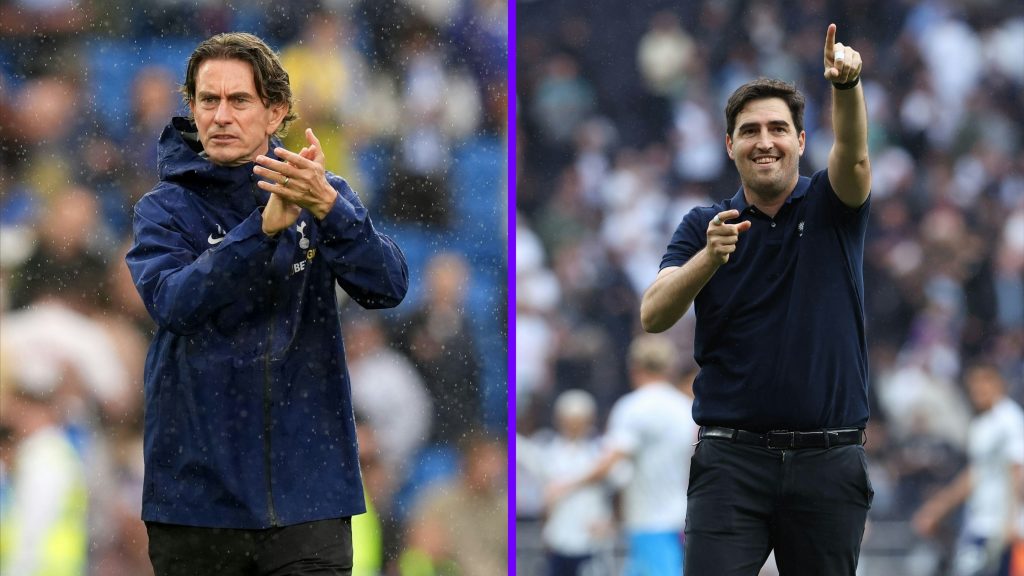
Tottenham are one of the teams to change managers this summer, going from Ange Postecoglou to Thomas Frank, who both have contrasting styles of play.
Under Postecoglou, Tottenham attempted the fourth-fewest long balls per 90 (54.8) whilst launching just 7.7% of their goal kicks (the fewest in the division).
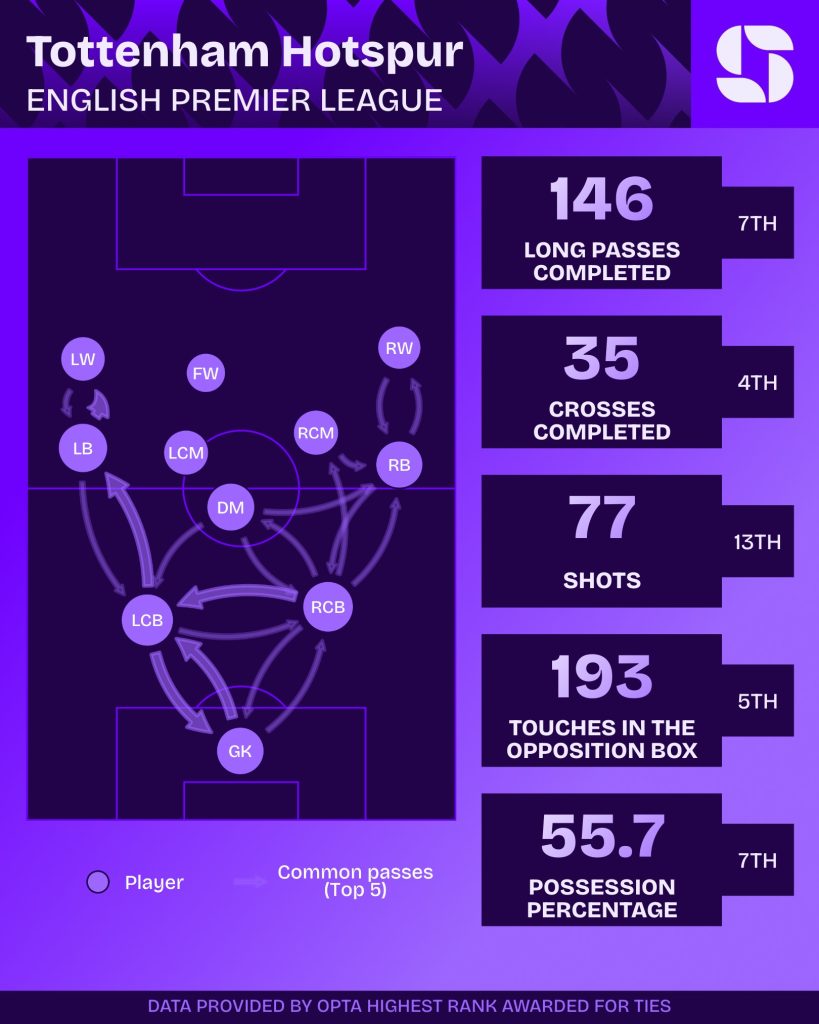
Under Frank this has changed, as Tottenham now look to overload the flanks with their number eights providing double width, forming wide triangles to challenge for long balls forward and generate attacks from winning those first and second balls.
Frank’s men now attempt 76.3 long balls per 90 (the third-highest in the division this season) and launch 29.0% of their goal kicks, a big increase from last season.
Whilst the new iteration of Tottenham have now got their issues playing out from the back, they have replaced this with more directness, leading to four wins, two draws and just one loss in their first seven league matches.
Andoni Iraola paving the way
Andoni Iraola’s play style was already on the radar of top Premier League managers last campaign, as Pep Guardiola referenced the Spaniard’s Bournemouth side and their principles in an interview speaking about the current state of the Premier League.
Bournemouth were one of the most direct sides last season, averaging 74.2 long balls attempted per 90 (second-highest in the league), and remain one of the most direct this season, now averaging 81.0 long balls attempted per 90 (the highest in the league this season).
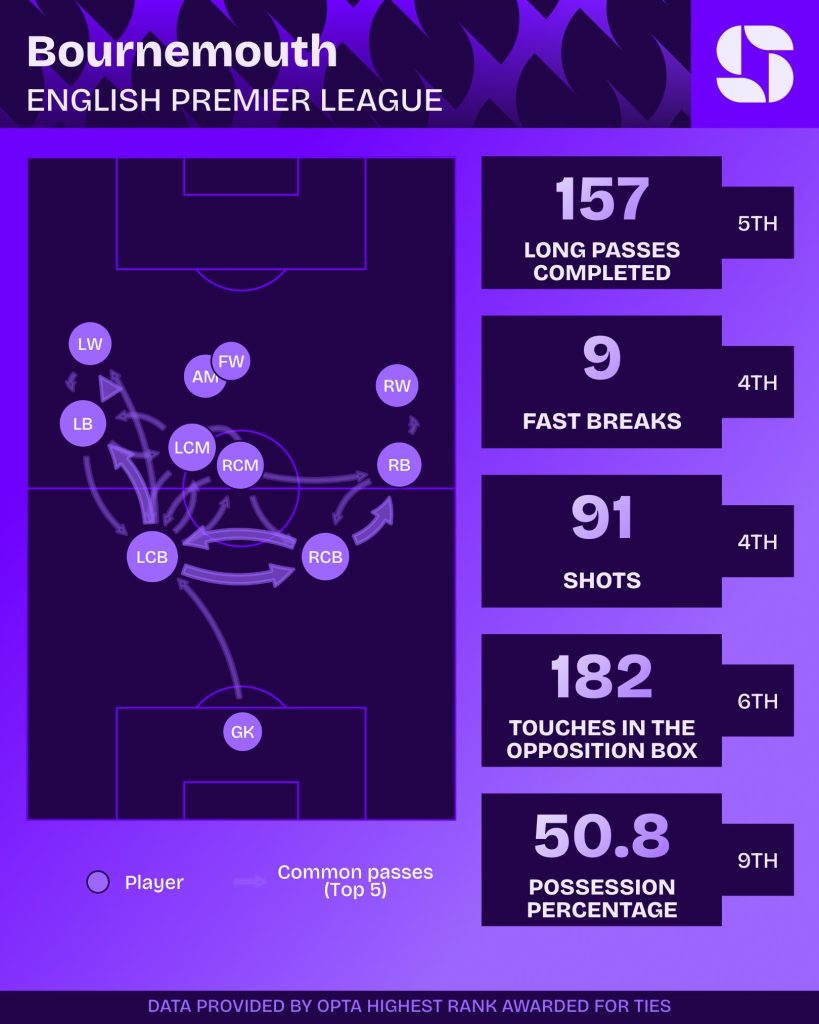
Iraola’s tactical philosophy largely relies on regaining possession quickly and launching attacks with as few actions as possible.
Bournemouth are averaging the fourth-highest shot volume this season (13.0 per game), have the lowest PPDA in the league this season (9.7) and have the most goals from direct attacks this season (4).
The Cherries put less focus on dominating games (averaging 51% possession per game) but instead look to overwhelm the opposition with their direct approach, which now looks to be catching on as teams try to replicate aspects of his tactical plan.
Some teams still adjusting?
Some of the “bigger” sides are still struggling to find the right balance between going more direct and slowing things down to control games, with teams such as Liverpool, Chelsea and Brighton seeing a decrease in their long ball completion this season.
One team in particular are looking to be more direct to no avail so far this season, as Brighton have the joint second-highest direct speed in the Premier League this season (1.98), but have only scored once from a direct attack this season.
Chelsea have been unable to add more directness to the side thus far, with Liam Delap going out injured just two games into the season, who was already showing signs of helping the Blues to add that outlet from long balls forward.
Liverpool have managed the most direct attacks in the league this season (15) but have only managed one goal from direct attacks, with their instance to go direct also affecting their build up efficiency, making it much harder for last seasons Champions to take control of games.
You can see in the recruitment strategies of teams this summer, the intent to keep up with the growing physical demands of the league, which is seeing the increase in directness from both long balls and long throws! The question now is how quickly the big sides can adapt to the changes, as Arsenal look best equipped to do so, which could see the Gunners acquire their first title since 2003.
More Features