






As we continue our series of tactical explainers, we have moved on to discuss one of the most innovative and important out-of-possession tactics used by coaches of the last decade or so: gegenpressing.
Jürgen Klopp became synonymous with gegenpressing during his tenure at Liverpool as his team out of possession overwhelmed teams with their intense pressing and furious work without the ball.
The word ‘gegenpress’ is the German phrase for ‘counter-pressing’.
The tactical act of Gegenpressing exploded in the 2010s as German coaches who used the form of pressing like Ralf Rangnick, Ralph Hasenhuttl and Julian Nagelsmann became successful.
But what exactly is gegenpressing, and is it still relevant today?
In this article we’ll cover
What is gegenpressing?
There is a difference between pressing and gegenpressing. Pressing simply means a team is trying to win the ball without the same intensity or pace.
Pressing is also sometimes used not to turn the ball over, but rather to put another team under pressure and limit their space.
‘Gegenpressing’ is a form of counter-pressing with the aim of quickly winning the ball back as soon as it’s lost to prevent transitions and to keep a team pinned back.
It ensures that, if the opposition has the ball in build-up, a team that presses them quickly stops them from building out from the back.
It leads to many duels, tackles and physical battles all over the pitch, which is why when it came to Jurgen Klopp’s Liverpool, the manager was hell-bent on intensity.
It’s also why players like Jordan Henderson, Gini Wijnaldum and Roberto Firmino became underrated for their performances because of their excellent work out of possession.
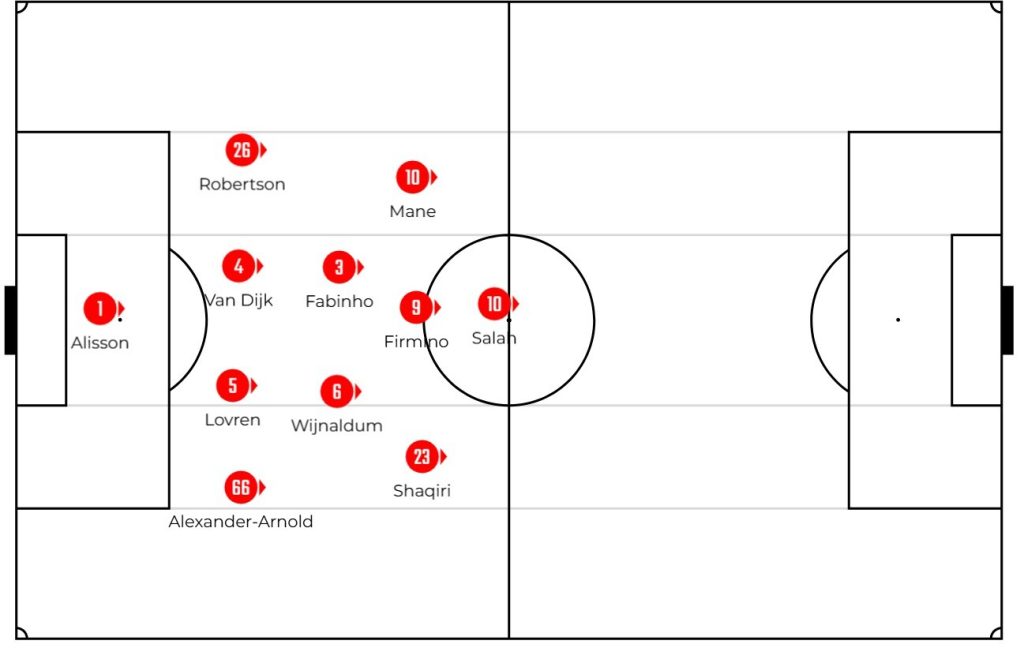
In the two seasons where Liverpool looked exhausted under the German, it was a by-product of the intense style of counter-pressing.
It’s an aggressive, risky, attacking out-of-possession approach because you can create chances through turning the ball over high up the pitch.
If a team is able to win the ball in the opposition’s defensive third, they are closer to the goal and can keep their attacking momentum going by quickly retrieving the ball after losing it.
One of the most influential coaches in the world, Ralf Rangnick, adopted and perfected gegenpressing during his stint as a key figure at RB Leipzig.
Rangnick’s influence is so vast that he played a direct role in convincing Thomas Tuchel to begin his coaching career and gave him his first job in football. At the start of the 2020 season, seven Bundesliga coaches out of 18 had spent time with Rangnick and, in one way or another, adapted a form of ‘gegenpressing’.
As we saw from Klopp’s Liverpool, it is an exciting, energetic and dynamic way of approaching football without the ball, resulting in entertaining matches.
Gegenpressing sides don’t stand on ceremony; they approach matches head-on and challenge teams to do the same.
Is it still relevant today?
Particularly in the Premier League, though we still see teams press, teams have tended to go against adopting gegenpressing due to the busy schedule. Managing injuries and general player health are a crucial aspect of squad management.
The more intensely a team presses for over a season, the more susceptible they are to fatigue and injuries.
Take Newcastle United, for example, during the season in which they first qualified for the Champions League under Eddie Howe, they were one of the best teams in the league.
Since then, it feels as though he has always had to adjust because Howe has recognised that his team cannot do that for a gruelling Premier League campaign with added European matches.
Bournemouth are another team that utilises pressing as a form of attack, but even their approach has resulted in injuries and is more flexible than previous iterations of the gegenpress, with the purpose of their press being to trap teams in zones.
Some of the most successful examples of teams that made gegenpressing part of their identity are Marcelo Bielsa’s Leeds United, Julian Nagelsmann’s RB Leipzig and Gianpiero Gasperini’s Atalanta.
All devastatingly brilliant, underrated sides that made a mark for their refreshing, brave approach.
But crucially, almost all of these teams (bar perhaps RB Leipzig) may have looked to adopt this approach as an off-the-cuff strategy to level the playing field in terms of not having the financial clout some of the biggest teams in the world have.
Ultimately, gegenpressing is what football should be all about. It gets fans out of their seat and roars the team on to exhaustion and shocks teams into giving the ball away.
Sadly, however, in the current footballing climate, where games are on almost every night, managers have had to abandon the approach.
The teams I mentioned definitely made their mark, but because of the energy it takes to utilise gegenpressing, it has become an approach that is glorious to execute but difficult to sustain.