






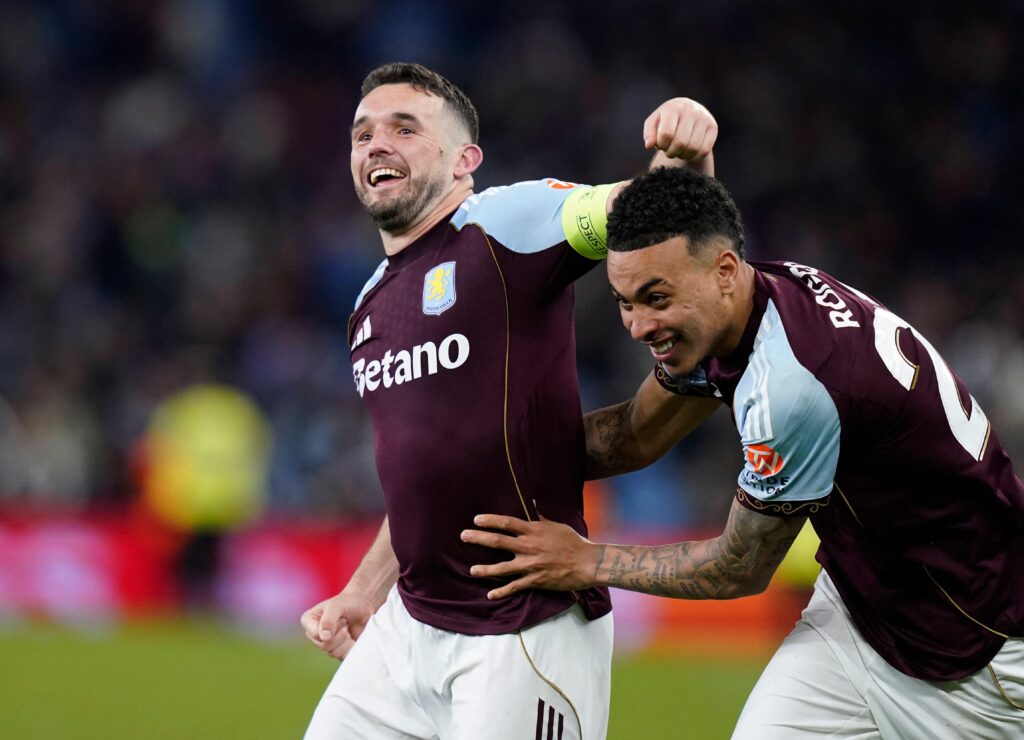
Aston Villa booked their place in the Europa League final after a comfortable 4-1 victory over Nottingham Forest on aggregate.
The Villans went into the second leg at Villa Park trailing their Premier League rivals 1-0 on aggregate. But they were always going to be confident with their home crowd behind them.
Ollie Watkins gave Villa a first-half lead with a finish from close range, before Unai Emery’s side stepped things up after the break. Emiliano Buendi scored a penalty before John McGinn bagged a brace to put gloss on the victory.
It was a tactical masterclass from Emery, as we have seen so often in the Europa League.
In this article, we’ll cover
Bold Lindelof decision
Emery made the bold decision to deploy Victor Lindelof in midfield against Forest. The Swedish international, naturally a centre-back, was in place ahead of Douglas Luiz and Lamare Bogarde, perhaps making it a controversial decision.
In possession, Lindelof’s positioning was fluid. He would often drop into defence to make it a back three, allowing Matty Cash and Lucas Digne plenty of freedom to push on into the final third.
Lindelof was utilised very rarely during the buildup in Villa’s half. The former Manchester United defender almost acted as a decoy, creating space for others to receive the ball.
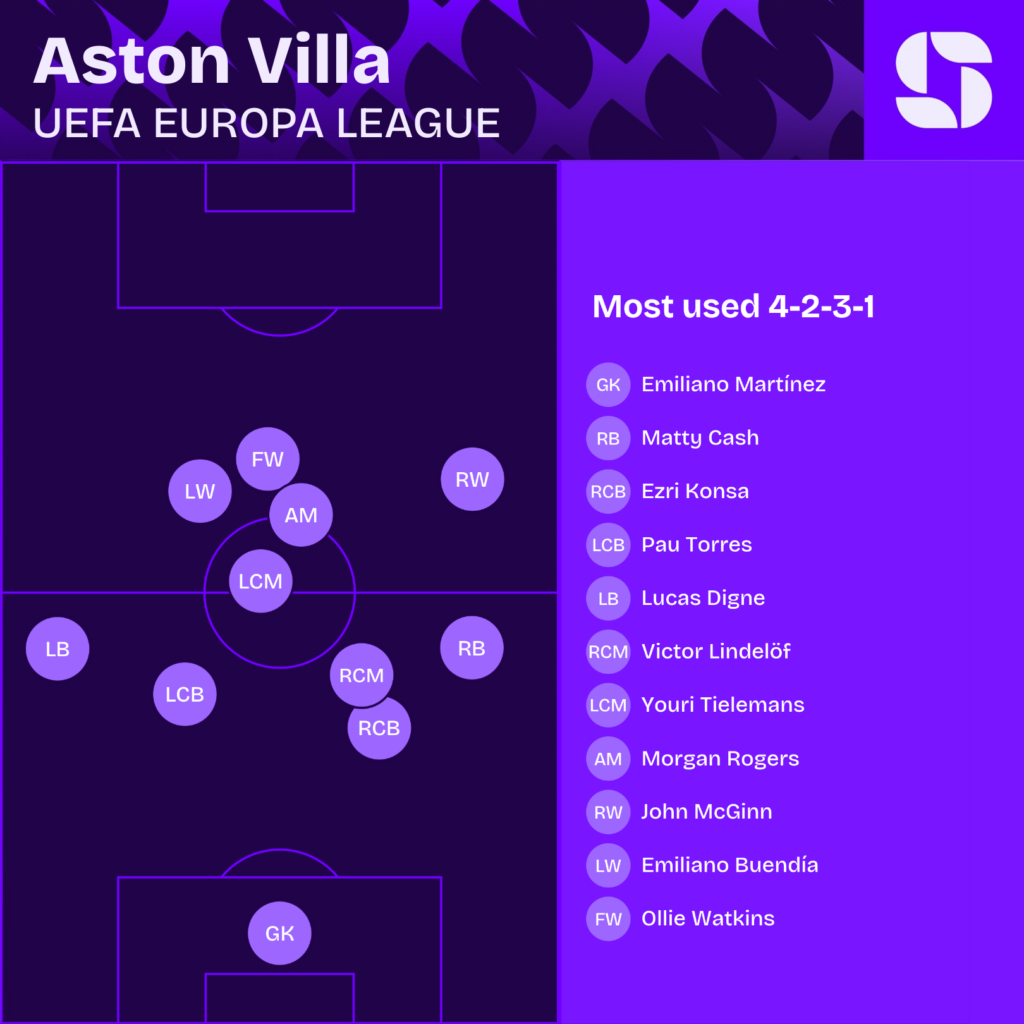
Out of possession, Lindelof was tasked with screening the back four. This allowed Villa to protect balls into the feet of Chris Wood, while also giving them more of an advantage in aerial duels.
It’s a decision that could have backfired, but there’s no doubt it was a stroke of genius from Emery.
The rotations in midfield allowed for progression from deep. Villa’s defenders could find Tielemans in more space, or bypass the midfield and get the ball into the forward players.
Villa’s central dominance
Interestingly, Lindelof playing in midfield allowed Villa to progress through the middle more often. As mentioned, he was used as a decoy midfielder, or he dropped into the defensive line.
This opened up passing lines to players in more advanced positions. Although out wide on paper, Buendia and McGinn would drift into central areas, looking to get onto the ball between the lines.
This created central overloads, which Forest struggled to deal with. Digne and Cash provided the width, giving Buendia and McGinn more freedom to play with fluidity.
At half-time, Vitor Pereira attempted to adapt and provide more bodies in midfield. Ryan Yates arrived off the bench, but they still struggled to limit Villa’s central dominance.
The Gibbs-White effect
After picking up a freak injury against Chelsea last time out, Morgan Gibbs-White was only fit enough for the bench. It was clear that Forest lacked creativity throughout, which is no surprise with Gibbs-White watching from the sidelines.
The England international has provided 23 goals and assists combined in all competitions this season. If Pereira felt he was fit enough, there’s no doubt he would have been playing from the start.
In the first half, James McAtee was coming into central areas, but he was substituted at the break. This gave Forest very little presence between the lines, with Yates coming on and playing in a deeper role.
The lack of creativity with Gibbs-White out undoubtedly hampered Forest from the start. When you lose a player of his calibre, you’re always going to be up against it.
Unfortunately for Forest, once Villa took the lead on the night, the tie was only heading in one direction.
Game state ruined Forest
Forest were clearly set up to try and frustrate Villa and hit them in transition. Although this is a tactic that may have worked, the game state soon shifted.
When Villa opened the scoring, Forest was still able to sit deeper and absorb the pressure. But once Emery’s side took the lead on aggregate, it made things incredibly difficult.
Forest were forced to play more on the front foot and commit bodies forward, but this opened up more gaps for Villa’s attacking players. This is where the likes of McGinn and Buendia flourished, getting into dangerous positions in space.
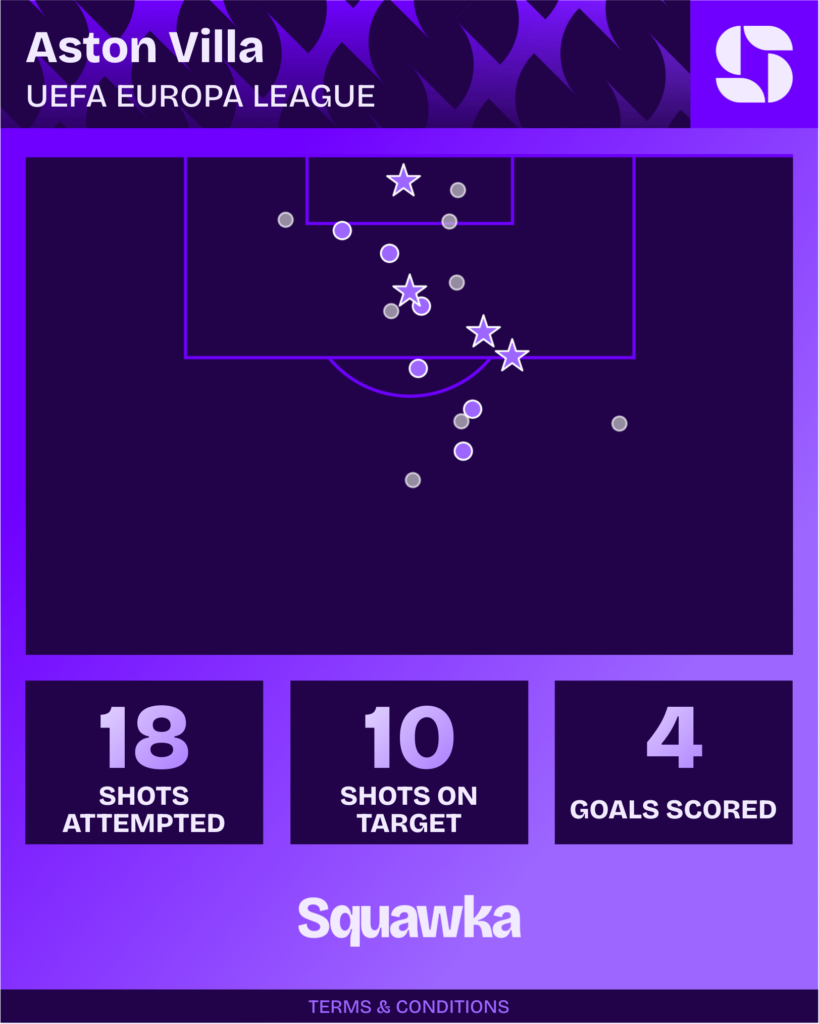
Villa never took their foot off the gas even after going in front, knowing that they’d continue to have joy in the final third. There was a lack of a plan B for Pereira heading into the game, and he was simply outclassed by Emery.
There’s no shame in that, however, with the Spanish manager one of the best there is in this competition.
Emery is now going for his fifth Europa League title, an incredible achievement for the Villa boss.