










It’s not how you start, it’s how you finish. For the millions of Americans who packed out a home World Cup, the finish was hard to swallow. Which is why the USMNT 2030 roster is already a live question.
The co-hosts made quick work of Paraguay and Australia to top their group at the 2026 World Cup. They then demolished Bosnia-Herzegovina to reach the Round of 16. It was there, though, that they were served a dose of humble pie, losing 4-1 to Belgium and ending a promising campaign in real disappointment.
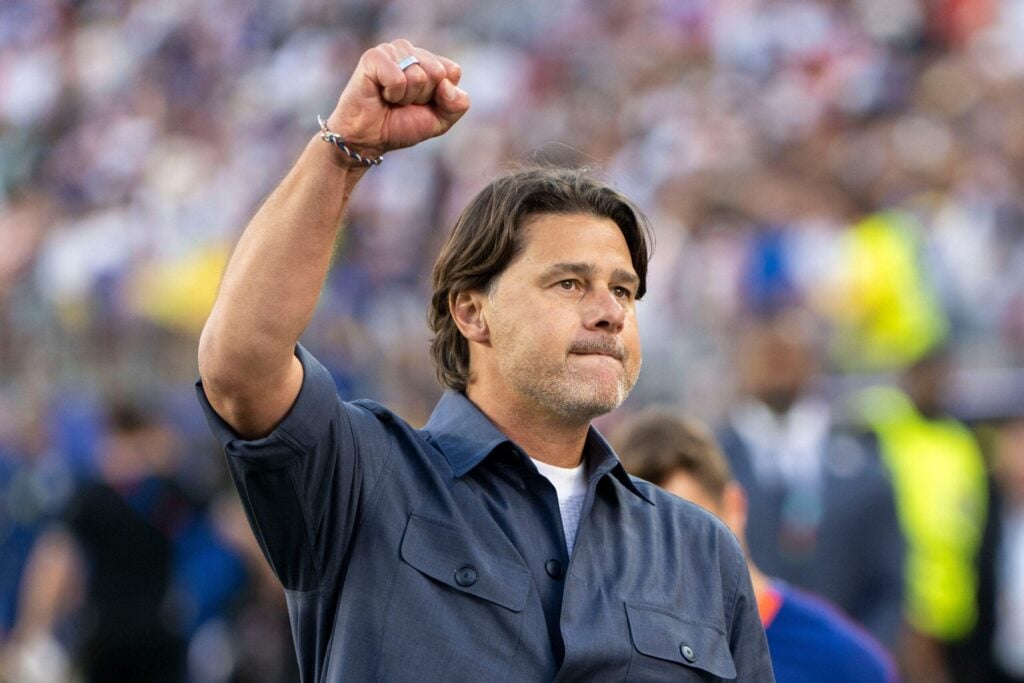
Mauricio Pochettino’s team are finally back in action, and there are plenty of fresh faces looking to make an impression during the extended international break. The goal? Becoming key figures in this new World Cup cycle.
So how could the USMNT look by the time 2030 comes around? We have gone position by position, starting with the one that needs the most work.
USMNT 2030 roster: position by position
Goalkeeper
If there’s one area where the USMNT needs improvement, it’s between the posts. Matt Turner was once the guaranteed No. 1. However, several years of warming the bench in England convinced Pochettino to go with Matt Freese instead. Freese became the first MLS goalkeeper to start a World Cup game for the USA. He then made a mess of a routine clearance against Belgium, gift-wrapping Hans Vanaken an empty net from long range.
Neither of the two Matts is likely to be starting by the time 2030 rolls around. Instead, there are a number of talented goalkeepers in MLS who could step into the void. Columbus Crew‘s Patrick Schulte and Chicago Fire‘s Chris Brady are two options, with the latter the third-choice goalkeeper at the World Cup. There is also FC Cincinnati‘s Roman Celentano. Then there is Diego Kochen, who came through Barcelona’s La Masia academy and is now impressing on loan at Danish side Lyngby. Perhaps the most likely candidate, though, is Brian Schwake.
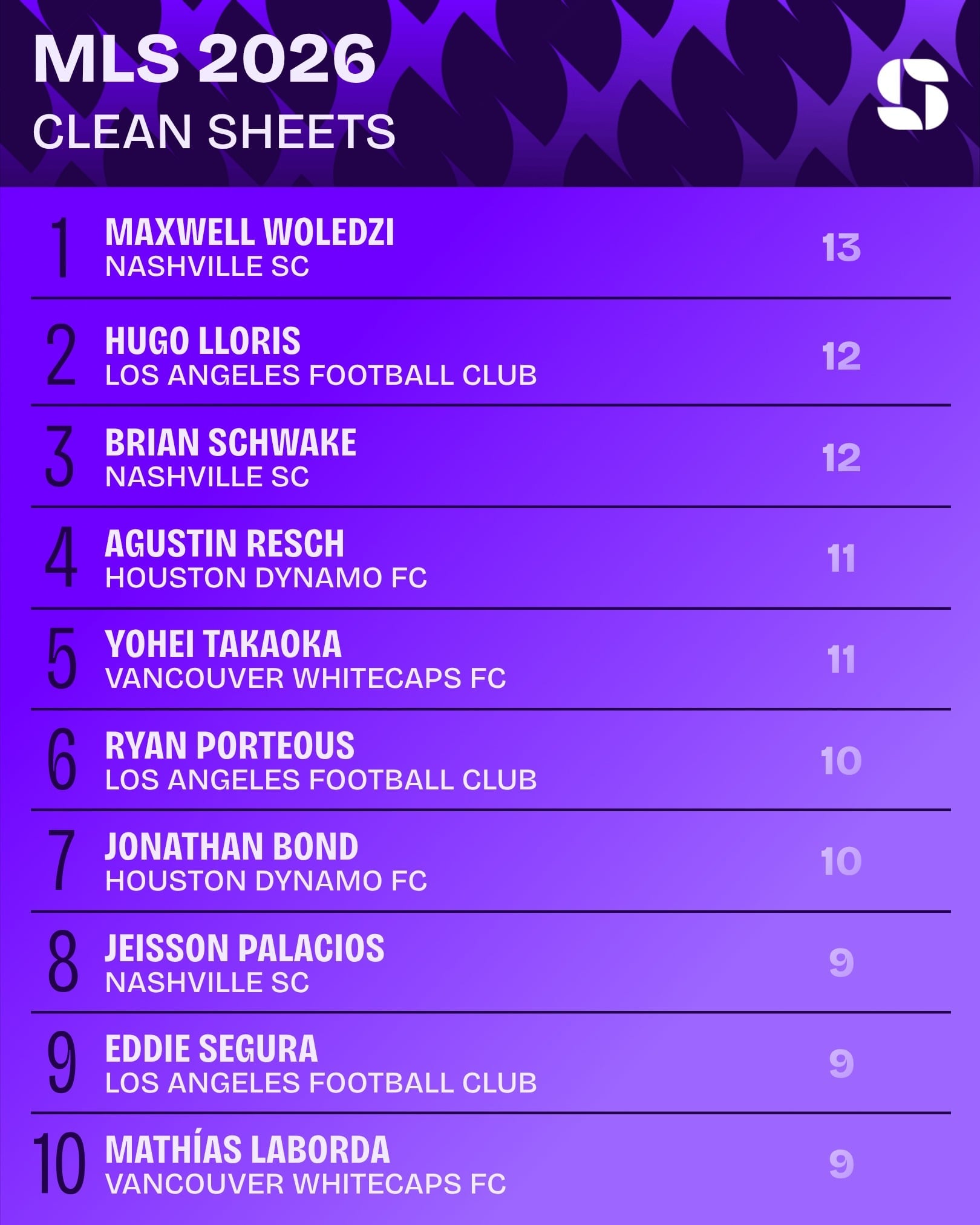
After beginning his professional career in Scotland and Spain, Schwake returned home in 2025 and helped Nashville SC win the U.S. Open Cup. This year, he has gone from backup to starter, and he has justified B.J. Callaghan’s trust with a sensational season. Schwake went unbeaten across his first 14 games spanning 2025 and 2026, breaking Jorge Campos’ 30-year record. He also currently leads MLS goalkeepers in save percentage (77.2%) and sits joint-second for clean sheets, level with Hugo Lloris on 12. Surely, then, it is only a matter of time before Schwake makes his USMNT debut.
Defense
Of the 26 players in the USMNT’s World Cup squad, only captain Tim Ream is guaranteed to be too old for 2030. He approaches 39 this year. However, the pieces around him are in decent shape. Chris Richards has established himself as a defensive leader at Crystal Palace. Meanwhile, Alexander Freeman has shown his quality for Villarreal and for the national team. And although he has just turned 29, Fulham‘s Antonee Robinson remains one of the best left backs in the game.
Pochettino played with five defenders this summer to compensate for Ream’s lack of pace as well as Sergiño Dest’s defensive frailties. Now, though, he has a dilemma. Does he stick with that setup, or does he drop Dest in favor of a natural right winger? Does he use an attack-minded right back like Dest in a back four, or does he go with a center back hybrid like Freeman? Whatever he decides, the Argentine needs a long-term partner for Richards in the middle.
It probably will not be a tried-and-tested veteran like Auston Trusty or Miles Robinson. Instead, a fresh face such as West Bromwich Albion captain George Campbell or Neil Pierre could do the job.
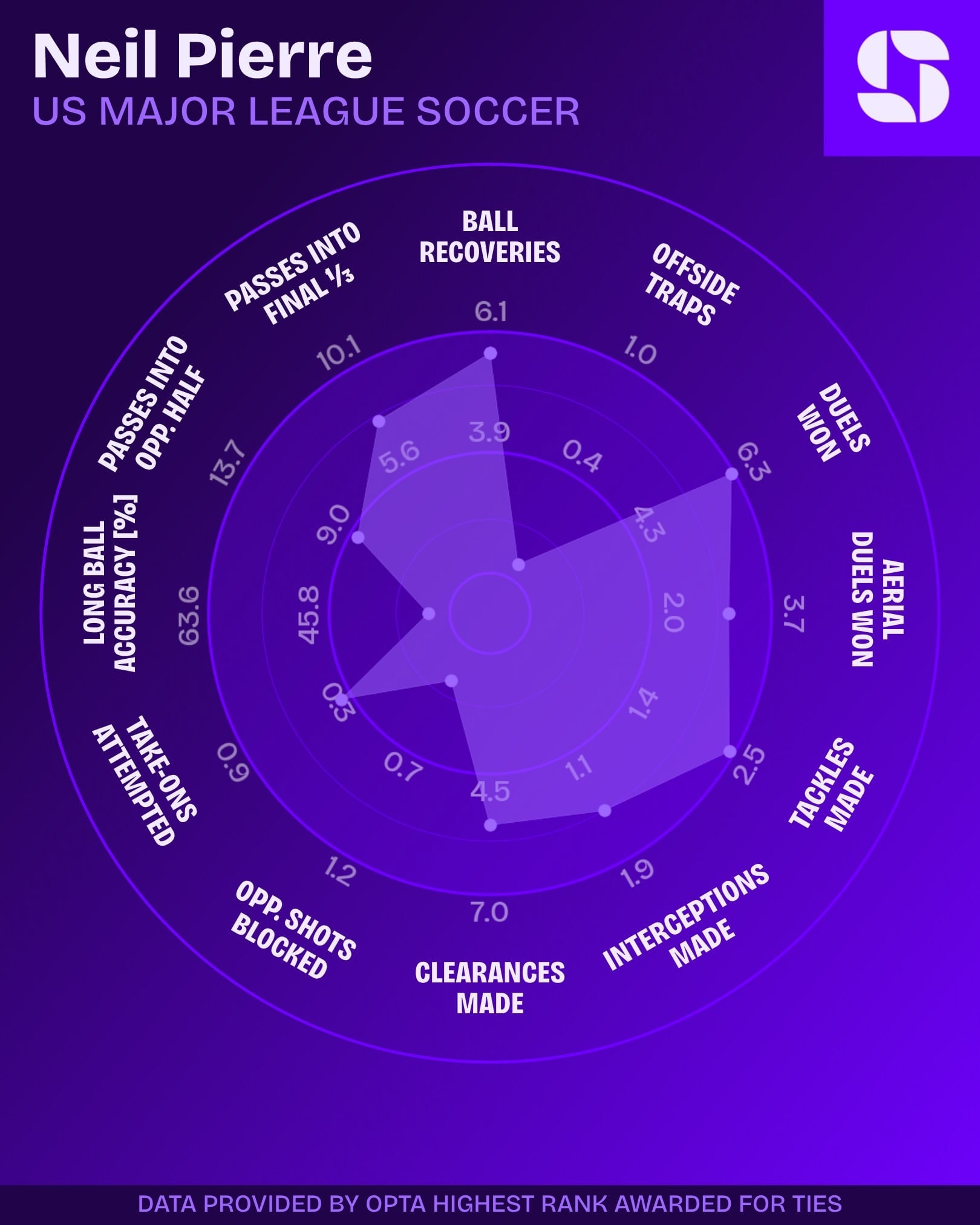
After winning MLS Next Pro Defender of the Year, Pierre spent the first half of 2026 at Lyngby before returning to Philadelphia Union. He towers over the opposition at 6’7″. Whether he is heading home goals (eight already this year) or using his long strides to chase down attackers, he turns that physique into an advantage. Do not be surprised if Pierre starts at the 2027 Gold Cup.
Midfield
Midfield is perhaps the one area where there will not be much turnover. Weston McKennie and Tyler Adams have forged a superb double pivot over the years. Meanwhile, Malik Tillman has offered both a goalscoring threat and elite playmaking from a more advanced role.
There are certainly a number of promising central midfielders pushing for a starting spot, with Johnny Cardoso, Yunus Musah and Sebastian Berhalter among them. However, if Pochettino does change the midfield trio he currently favors, it will most likely be to move Christian Pulisic into the No. 10 role ahead of Tillman.
Attack
Folarin Balogun will probably still be the USMNT’s starting center forward in four years’ time. However, it remains unclear who will be around him besides Pulisic. Giovanni Reyna and Timothy Weah have both fallen on hard times in recent years. And it seems unlikely that Pochettino would want to shoehorn another attacking midfielder like Brenden Aaronson or Diego Luna alongside Pulisic and Tillman.
Nevertheless, there are plenty of young prospects who could be operating at an elite level by 2030. Zavier Gozo is one, with breakneck speed and mazy dribbling that could provide some much-needed width. So is Cavan Sullivan. He has established himself as one of the best forwards in MLS, with six goals and four assists in his last eight games for Philadelphia. Alternatively, Pochettino could go with a 4-4-2 and pair Balogun with another striker such as Ricardo Pepi or Julian Hall. That would be a far more radical option, though.
The verdict on the USMNT 2030 roster
Ultimately, plenty of work remains if the USMNT are to reach a first World Cup quarterfinal since 2002. And it starts with beating higher-ranked opponents. Pochettino only had two years to prepare for 2026. He was also hindered when most of his first team skipped the 2025 Gold Cup. Now he has a full cycle ahead of him. The question is whether he can use it to build a team capable of competing on the world’s biggest stage.
Stats correct as of September 29, 2026.