


Make the most of the October international break because it’ll be the last one of its kind for quite some time.
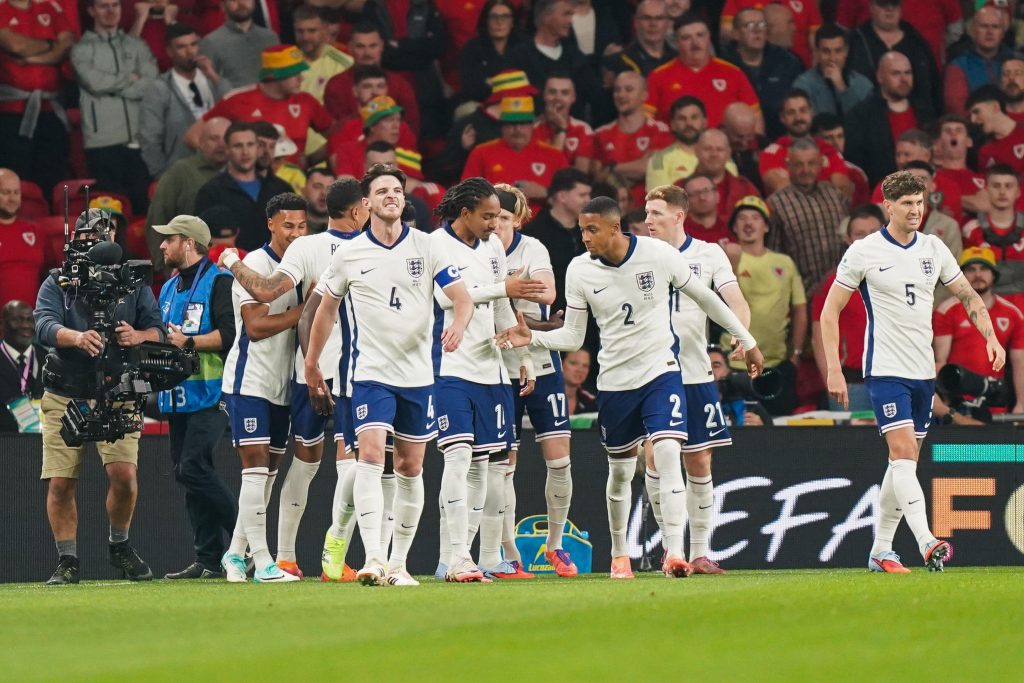
England beat Wales 3-0 in a friendly at Wembley on Thursday and will now prepare for a World Cup qualifier away against Latvia on Tuesday.
But once that fixture is played and attention turns back to the Premier League, you can kiss goodbye to the two-week October international break for quite some time.
Dabble sign-up offer: Bet £10+ & Receive £10 In Free Bets
Not signed up to Dabble yet? Here's how to claim the Bet £10+ & Receive £10 In Free Bets welcome offer:
- Sign up to Dabble through this link
- Register your account with accurate personal details
- Place your first bet of £10 or more
- Receive your £10 in free bets when your qualifying bet has setted
- Use your Free Bet on any eligible sportsbook market within 7 days

#AD 18+ 7-day free bet expiry. Stake not returned. Promotional Terms Apply. GambleAware.org
Extended September international break replaces October window
As approved by the FIFA Council in March 2023, the international calendar will change from 2026.
International windows have taken place in March, June, September, October and November since the 2006 World Cup qualifying schedule, after being approved in January 2002.
But now, the two-week break in October will be abolished in favour of a three-week break starting at the end of September, featuring four international matches.
The final round of Premier League fixtures before the extended break will take place on the weekend of 19-20 September, with play resuming on 10-11 October 2026.
Removing the two-week break in October in favour of a three-week break at the end of September will mean fans have an extra week of domestic football to look forward to on the calendar.
Why is the international calendar changing?
There are numerous reasons why FIFA, their stakeholders and the confederations have chosen to adjust the international football calendar.
First of all, the 2026 World Cup in the United States, Mexico and Canada will have the latest final date since the 1966 edition, with the showpiece in East Rutherford, New Jersey, taking place on 19 July.
Player welfare and travel demands have also been factored into the decision, which aims to reduce the amount of travel required to fulfil international fixtures — especially for players from other continents who ply their trade in Europe.
How does the new international calendar look?
In a normal year, the international windows will now take place in March, June, September and November.
Of course, there are exceptions for major international tournaments, such as the 2026 World Cup or, before then, the upcoming Africa Cup of Nations.
The first instance of the extended September window will see European nations play the first four of their 2026/27 UEFA Nations League group fixtures.
With four games taking place in this revamped window — two carrying across from October — the number of international matches per year remains the same.
The new international calendar is now set until at least 2030, with its viability to once again be reviewed before then.