






The tactical meta is constantly changing in football.
In recent years, pressing schemes have been improving. Plenty of teams are now equipped to press man-for-man across the pitch, forcing more directness and beginning to lean more towards physicality than technicality.
We now find ourselves at a point where the pendulum will likely start to slowly shift back towards maximising technical quality, in order to combat these highly physical and defensive teams.
So how exactly are teams looking to do this?
In this article, we’ll cover
Artificial transitions
Unai Emery has been utilising these principles all season long. Aston Villa look to build out from the back with a very patient approach and four attackers ready to pounce in artificial transition opportunities.
The 4-2 base (back four and two defensive midfielders) look to play short passes around the back. The likes of Morgan Rogers and Emiliano Buendia then look to find pockets of space between the lines.
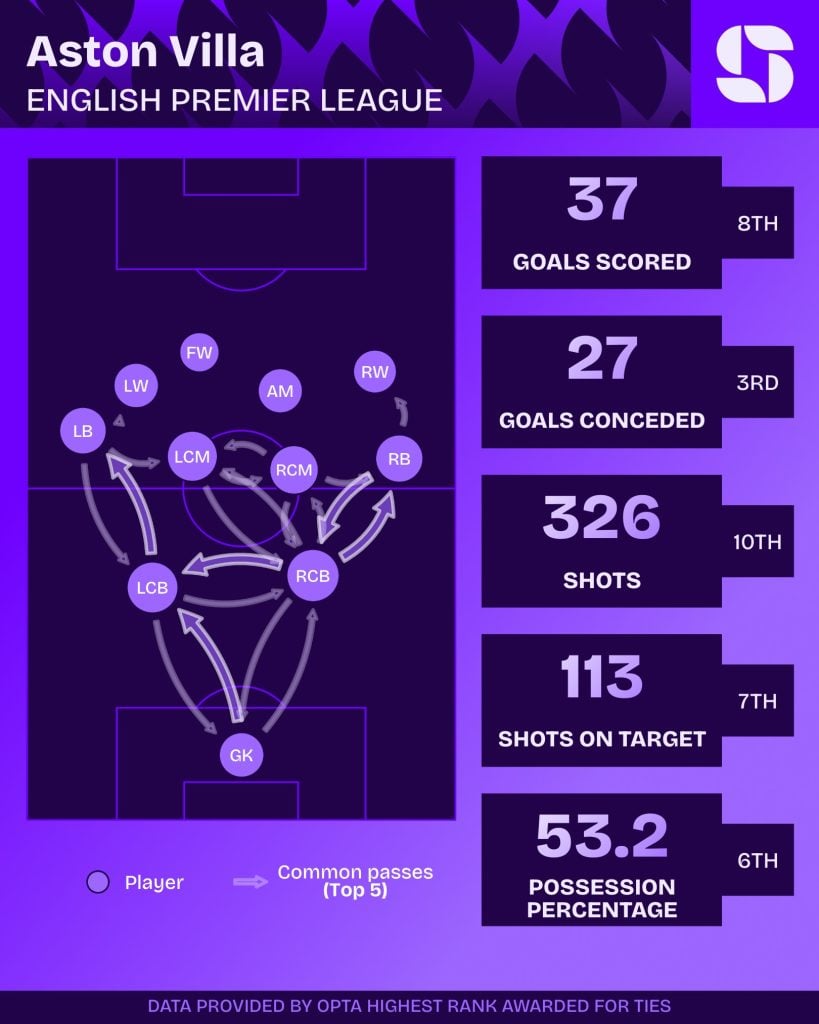
Once the press has been baited, the idea is to attack the space between the front press and the defensive line which can be pinned by attacking players like Ollie Watkins.
Tempo shifting has become extremely important to take advantage of this. Teams use a slower tempo to draw the opposition press away from the defensive line, before speeding things up. This breaks the lines and looks to exploit that space, creating an artificial transition. Something Aston Villa have thrived on this season.
Bet £10 & Get £30 in Free Bets with Bet365
Not signed up to bet365 yet? Here's how to claim one of the best bookmaker welcome offers around...
- Open an account (here's a link)
- Make a qualifying deposit of between £5* and £10*
- Claim the offer to receive three times your deposit in 'Free Bets'.
- To release your 'Free Bets', place qualifying bets to the value of your qualifying deposit and allow those bets to settle.
- Your 'Free Bets' will become available shortly after your qualifying bets have settled
- To use your 'Free Bets', select 'Use bet credits' in the bet slip.

Min deposit requirement. Free Bets are paid as Bet Credits and are available for use upon settlement of qualifying bets. Min odds, bet and payment method exclusions apply. Returns exclude Bet Credits stake. Time limits and T&Cs apply.
Clusters and pods
Teams are now looking to build through the middle of the pitch. There’s less emphasis on constant width and more priority on having players in close proximity.
Rayan Cherki himself said that every player loves the system because it packed the middle of the pitch.
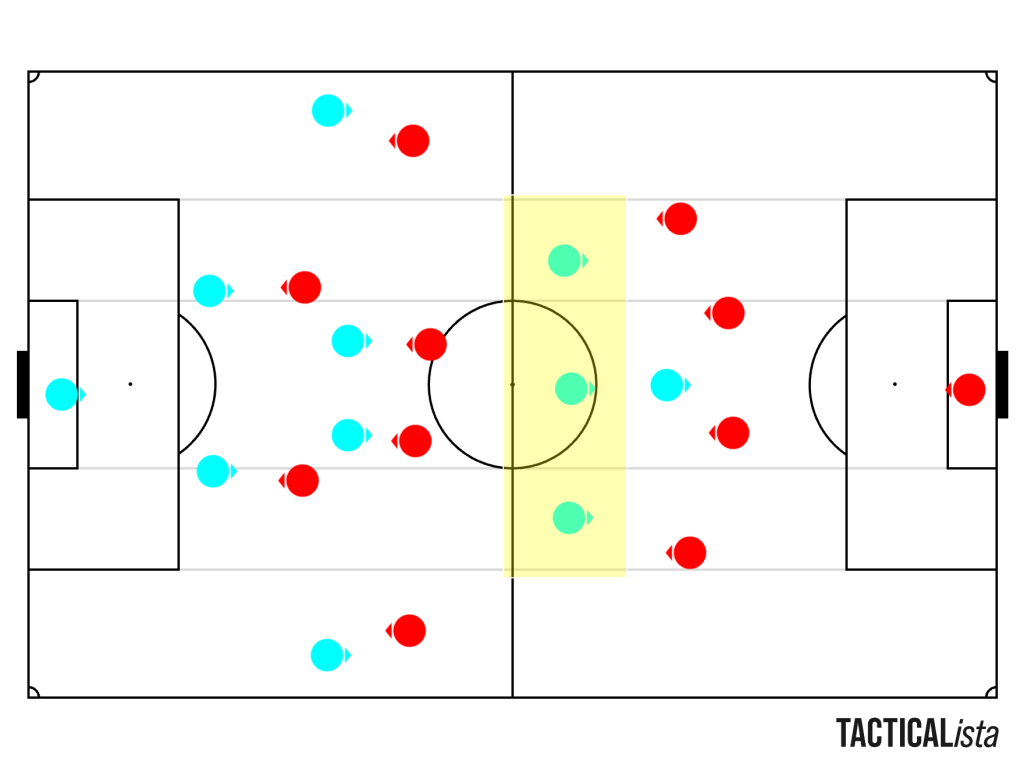
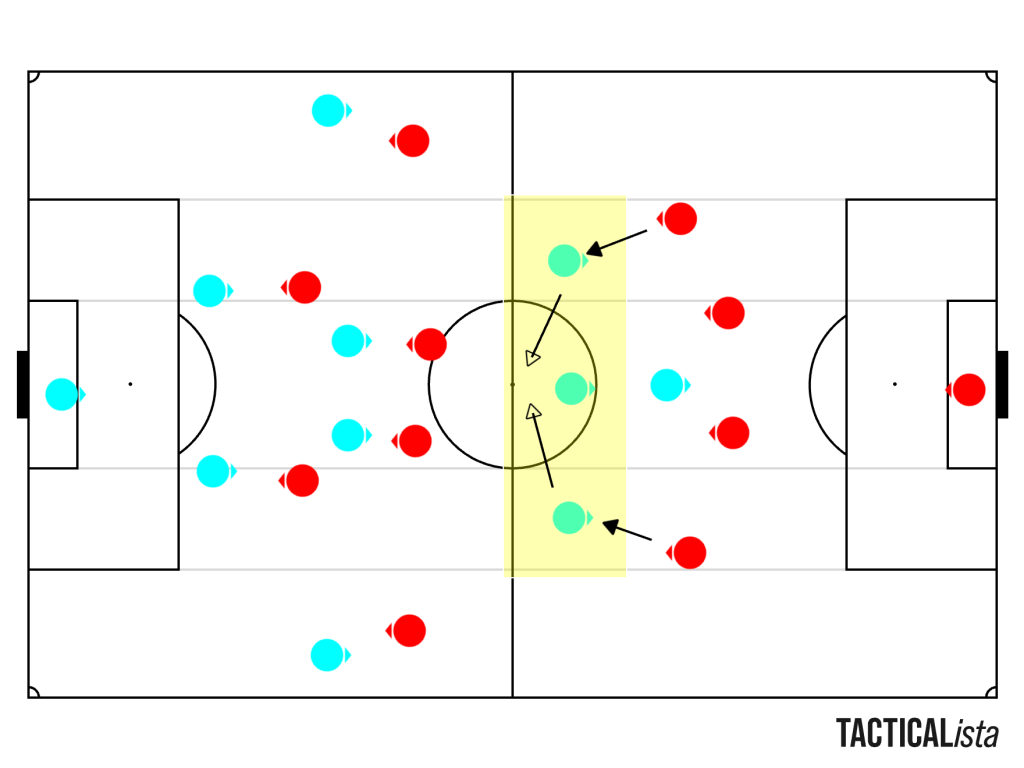
By creating these central clusters/pods, it makes it difficult for the opposition to jump between a more zonal defensive approach and a man oriented approach.
When speaking about his usage of Bukayo Saka in a more central role, Mikel Arteta said: “It’s a bit more difficult for the opponent to get his reference constantly.”
By allowing players to rotate positions in central areas, combine and cross paths, defenders struggle to keep their marking reference. It causes trouble for the opposition’s defensive scheme.
Think back to the trio of Eden Hazard, Oscar and Juan Mata. They had a similar dynamic as a three behind the striker, interchanging positions and causing trouble for the opposition.
Another way we have seen this playing out recently, is instead of three players behind the striker, the usage of split strikers, having two free roaming No.10s, along with a second striker profile to play off of the No.9.
Flying full-backs
The usage of full-backs is another key factor when thinking about the current tactical meta. Many teams are returning to using their full-backs as late width providers, in order to get more players central.
Liverpool signed two attack-minded full-backs last summer, with Milos Kerkez and Jeremie Frimpong both joining the club. The expectation was for the pair to carry out those width-holding duties.
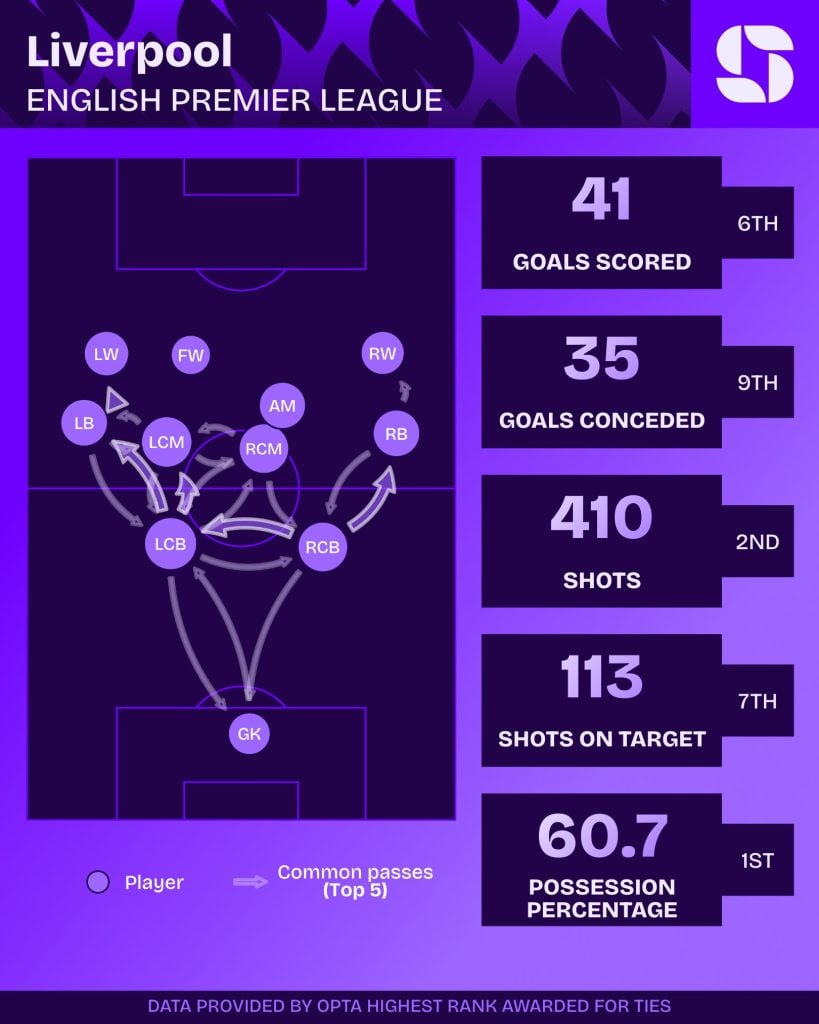
The starting positions of the full-backs allow for a more solid rest defence if possession is lost during the early stages of build up, with six players still involved in the first phase of play.
However, the full-backs are then encouraged to join attacks and attack the space created by the narrow front four. It’s made these high energy, quick and active full-backs highly sought after once more.
Block provokers
Now we have to touch on another hot topic. The teams who look to drop into a low block, ensuring the space between their front press and defensive line cannot be exploited.
This is where having multiple interior profiles who want to combine in tight spaces is key. They can now provoke defensive behaviours within the defensive block.
A low block is primarily deployed to make it compact in the middle of the pitch, forcing teams wide and further away from goal. Therefore, if you comply to this, you are likely playing into the opposition’s hands.
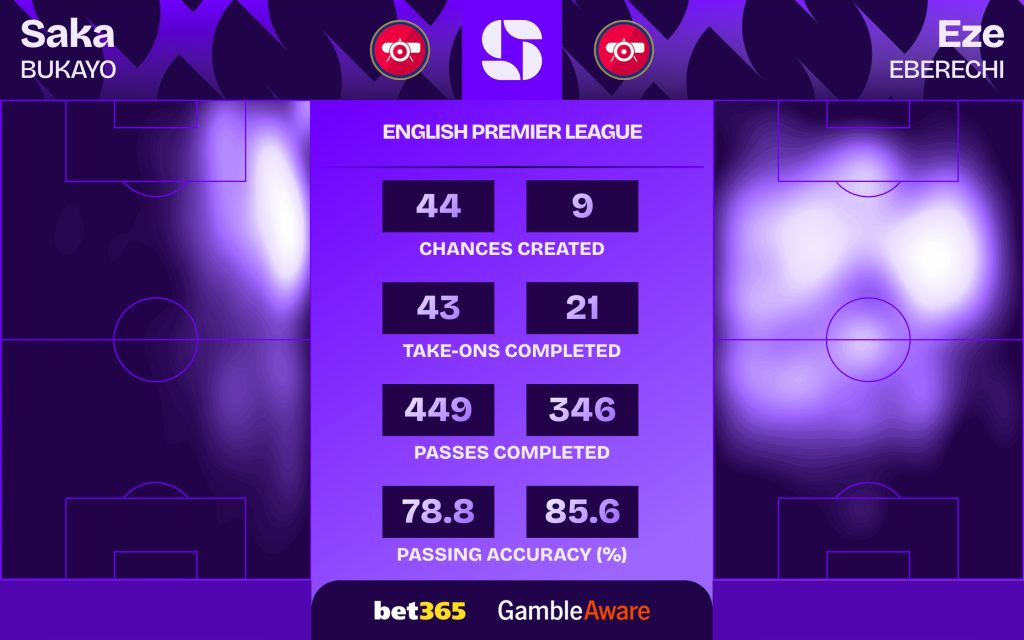
However, if you dare to dream and look to provoke defensive behaviours of players within the block via dribbles and quick passing, the likelihood of creating space is greater than you think.
Human beings are instinctual, footballers are not robots. They can be provoked into defensive behaviours by simply testing their resolve.
Putting multiple technicians in close proximity increases the chances of creating these circumstances, attuning the team to more central and diagonal passages of play, with the aim of disrupting the patience of opposition block.