







Manchester United secured a 1-0 victory over Chelsea at Stamford Bridge in the Premier League, bouncing back after a disappointing result against Leeds.
This was Chelsea’s fourth defeat in a row in the Premier League, failing to find the back of the net in all of those encounters.
United opened the scoring late in the first half, with Matheus Cunha finding the back of the net against the run of play after some great work by Bruno Fernandes. Chelsea were dominant in terms of possession in throughout, with United sitting deeper and deeper as the game went on.
Chelsea started to flood the box with crosses in the second half, hitting the woodwork three times overall, but they couldn’t find a way through.
In this article, we’ll cover
Tense opening 45 minutes for Chelsea and Man Utd
It was a cagey affair in the opening 45 minutes, with both sides struggling to create too many chances. United sat in a 4-2-4 mid-block, looking to prevent Chelsea from playing through central areas.
When Chelsea were able to break the press, that’s when they looked threatening. Consistently accessing Cole Palmer between the lines was central to their attacking threat, and he was at the heart of everything positive for Chelsea going forward.
An early injury to Estevao was a crucial blow for Chelsea, especially as Alejandro Garnacho, who replaced him, played a disappointing role in United’s opening goal.
Garnacho failed to get goalside of his former team-mate, Bruno Fernandes, who delivered superbly for Matheus Cunha to fire home. That was only United’s second shot of the game, with Michael Carrick’s side struggling to break Chelsea down.
Liam Rosenior’s men were in control of proceedings and enjoyed more possession in the first half. This led to United relying solely on creating through transitional moments, but their final action was sloppy more often than not.
Battle of the strikers
The striker situations for both sides were a talking point heading into the game at Stamford Bridge. Joao Pedro was ruled out due to injury, leading to Liam Delap starting for Chelsea.
Carrick opted to give Sesko another game from the start, despite his difficulties last time out against Leeds. Bryan Mbeumo did come back into the side, however, replacing Amad Diallo on the right.
It was a crucial blow for Rosenior to be without Joao Pedro, who has undoubtedly been one of Chelsea’s best players this season. Delap had failed to score in 19 games heading into the game, but he was brought into the starting XI by default.
The difference in profile between Joao Pedro and Delap made things difficult for Chelsea. Joao Pedro loves receiving the ball to feet and making things happen, whereas Delap is a striker is more of a vertical outlet who provides a penalty-box presence.
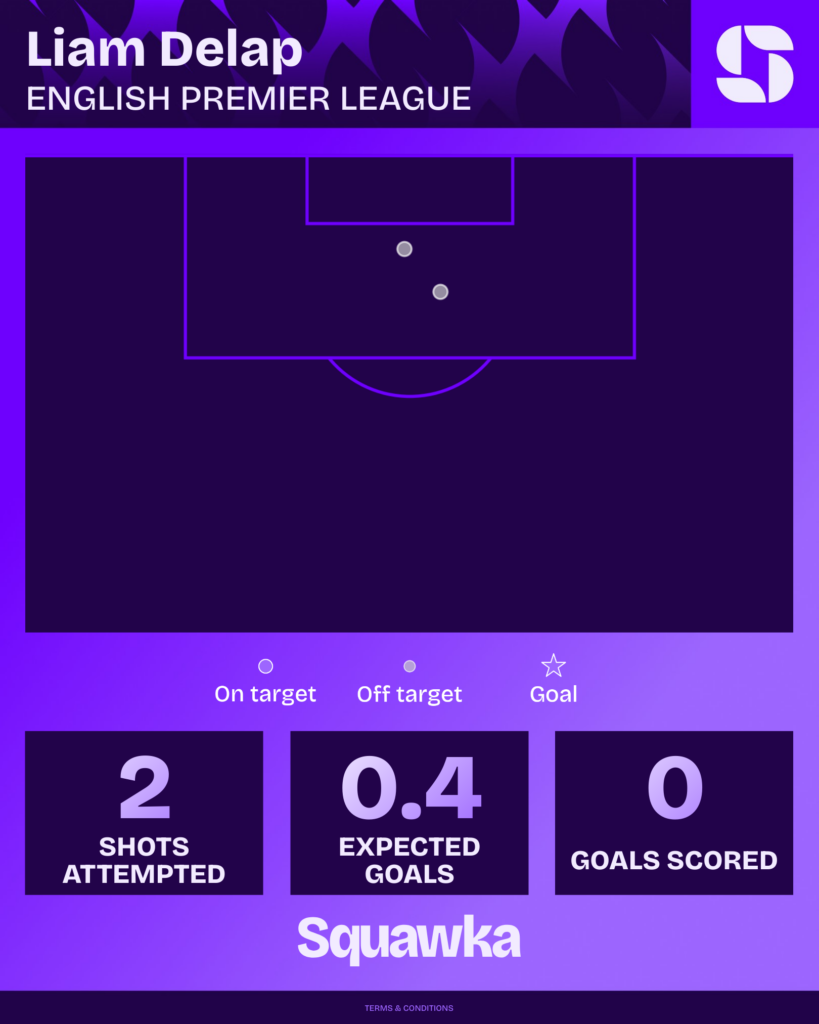
Chelsea began to play to the strengths of Delap in the second half. The English striker saw a header crash off the bar as the Blues threw crosses into the box, before seeing a shot deflect behind after the ball was clipped in behind for him to run onto.
Sesko enjoyed less success, but it was a thankful task for him after United went a goal in front. The Manchester club sat deeper and deeper as the game went on, and Sesko’s role was primarily to pressurise the Chelsea defence.
Clever tactical decision from Carrick
With a host of injury concerns at the back, Carrick was forced to shuffle the pack in defence. Ayden Heaven was the only natural centre-back in the lineup, making his first start under the United manager.
Heaven was given the odd run out for United under Ruben Amorim, primarily in a back three, and Carrick set things up to suit him. In possession, Heaven played in the centre of a back three, with Luke Shaw and Noussair Mazraoui either side.
It was a clever tactical decision from Carrick, that not only suited Heaven, but Shaw and Mazraoui too. Rather than shoehorning Shaw or Mazraoui into a centre-back partnership, their roles in possession were bordering on the role of a full-back.
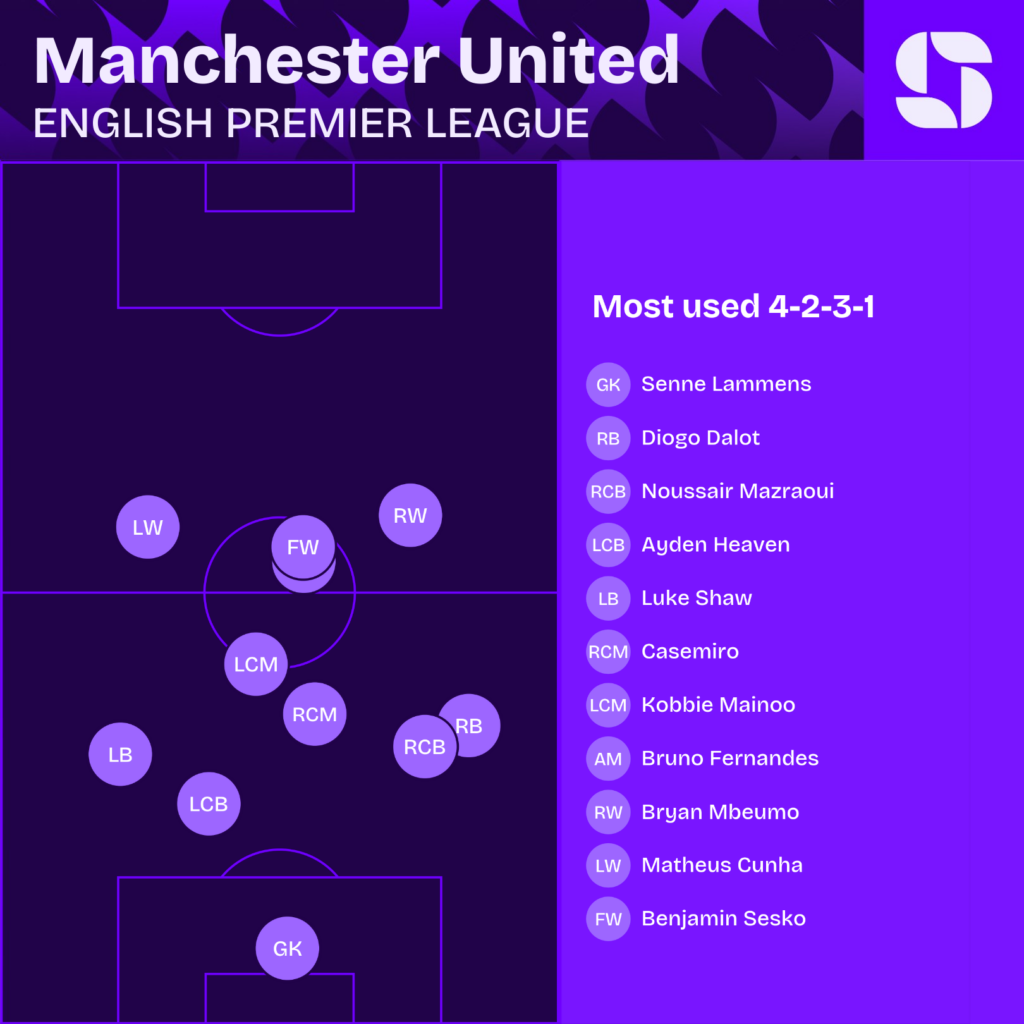
This meant that the angles at which they received the ball were similar to a full-back in a back four, while both players have played in a back three in the past anyway.
Out of possession, United were sat in a back-four shape, staying tight and compact to try to limit the number of opportunities for Chelsea. Carrick’s side also sat relatively deep when Chelsea ventured into their half, leaving little space in behind for Delap to exploit.
It was an important victory for United and a resolute performance at Stamford Bridge. The starting XI may have worried their supporters heading into the game, but Carrick’s side managed to hold on, with a slice of fortune in the second half.